
An energy-efficient proprietary technology developed to dry pastes, slurries, and bulk solids while controlling particle size distribution in a single step.
The problem with Conventional Drying:
Spray drying towers and convective spin-dryer/jet-mill systems consume massive amounts of thermal energy, generate excessive dust fines, and require large physical footprints.
The problem of Dusty materials:
- Health & Safety Risks: Airborne dust causes respiratory issues for operators and creates severe combustible explosion hazards.
- Poor Flow & Segregation: Powders easily demix and clog machinery (bridging/rat-holing), leading to non-uniform products.
- Inconsistent Dosing: Low and variable bulk densities make accurate weighing and packaging difficult.
- Contamination & Maintenance: Airborne dust causes cross-contamination, product loss, clogged filters, and premature equipment wear. _______________________________
Up to 70% Energy Reduction: Direct IR radiative heat transfer eliminates the thermal inertia and losses of conventional convective air drying.
Dust-Free In-Situ Microgranulation: Simultaneously agglomerates ultrafine powders (< 5 µm) into uniform, free-flowing microgranules (1–2 mm) without degrading heat-sensitive additives.
High Solids / Slurry Processing: Capable of processing wet cakes, filter presses, and viscous slurries directly into dry, non-segregable granules.
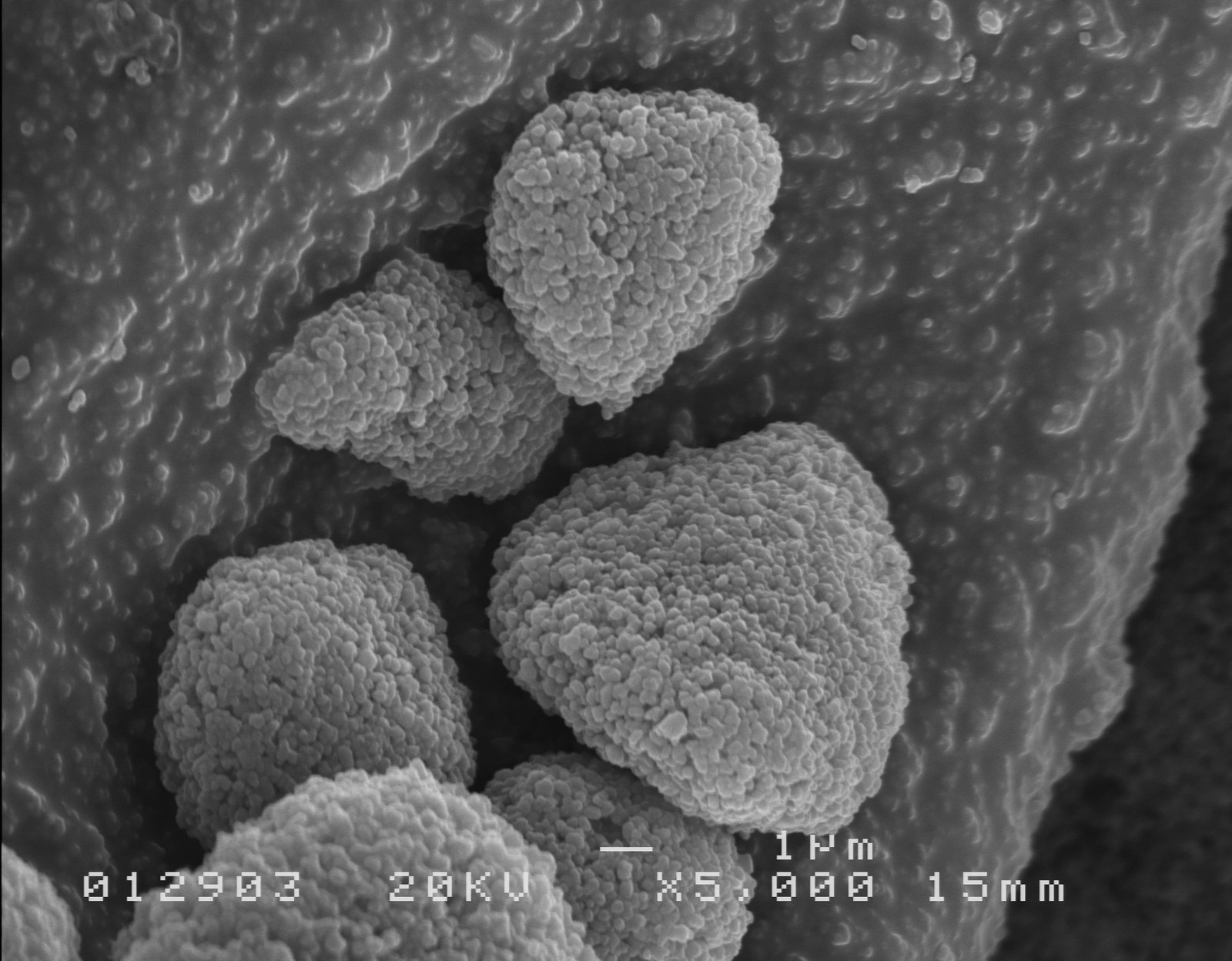
Our Pilot plant has tested hundreds of materials, from waste slurries to diamonds, going through polymers, agrochemicals, and ceramic powders.
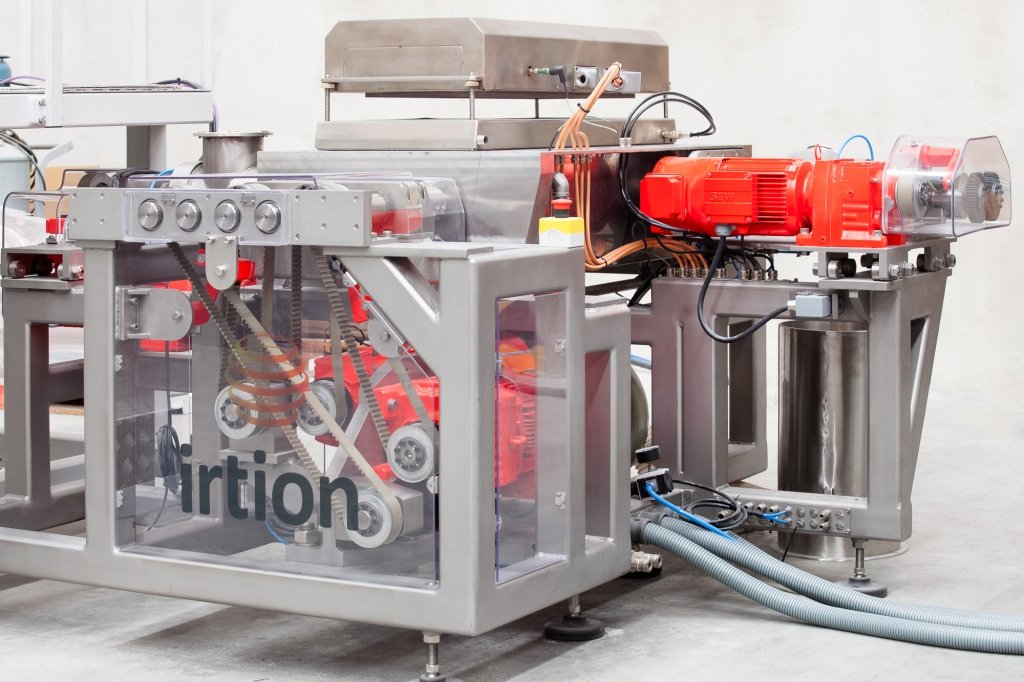
Developed to perform
Throughout more than three decades directing chemical synthesis, compounding, and manufacturing plants, I repeatedly encountered the same critical bottleneck: conventional thermal processing is fundamentally inefficient.
Spray-drying towers and convective spin-dryers consume vast amounts of energy simply heating air, while generating unmanageable dust fines, thermal degradation, and heavy maintenance overhead. For many materials—from abrasive minerals and viscous filter cakes to ultrafine toner scrap and sensitive additives—legacy drying methods simply fail to deliver acceptable economics.
We engineered 2i-IR from the ground up to challenge that status quo. By harnessing direct, high-intensity infrared radiative transfer, 2i-IR bypasses air-heating losses entirely. It delivers heat instantaneously to the material surface, evaporating moisture and bonding particles into uniform, dust-free microgranules in a single continuous step.
Having validated 2i-IR across hundreds of challenging materials at our pilot plant we know that industrial scale-up requires practical, plant-proven engineering. We don’t just license a concept; we validate your material, optimize your parameters, and engineer a solution built to perform under continuous industrial conditions.

Joan Iglesias
Founder & Chemical Engineer